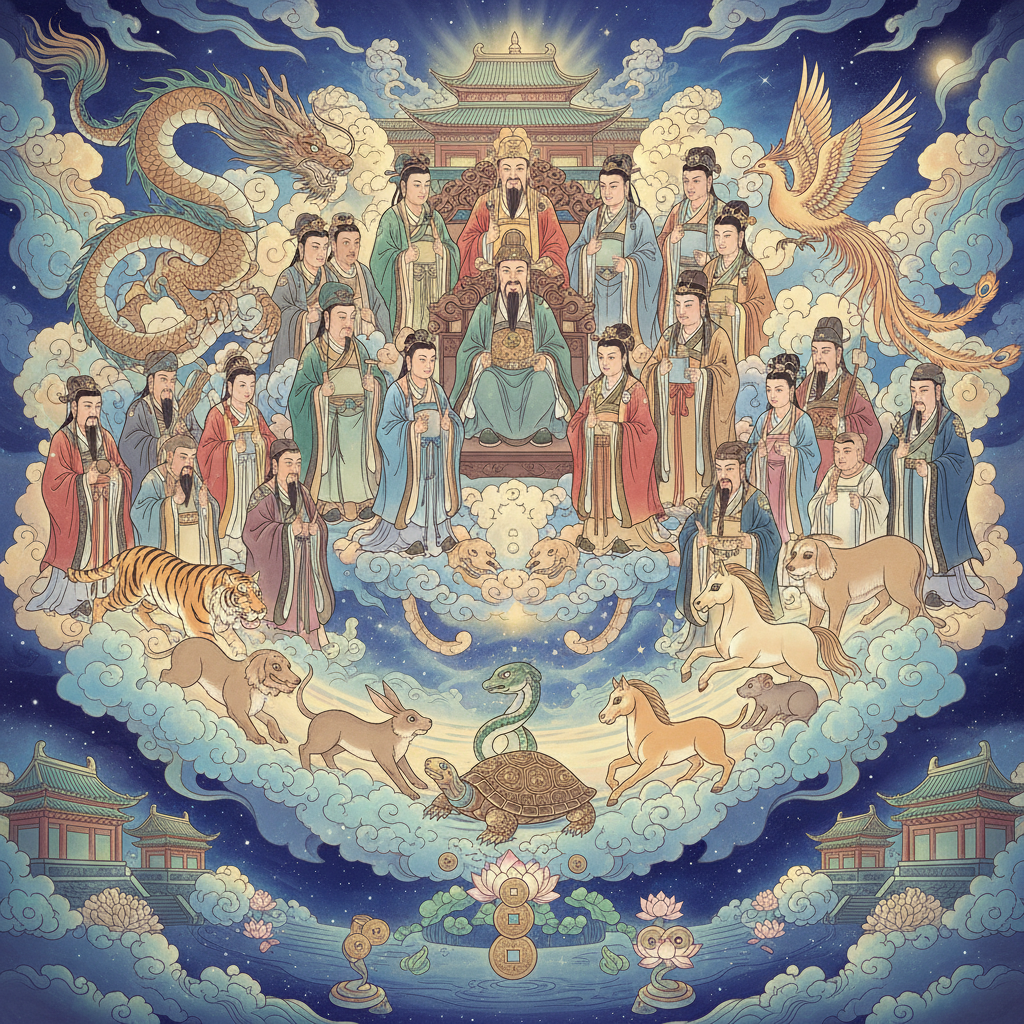
The Role of Animal Spirits in Chinese Mythology
Animal spirits hold a significant place in Chinese mythology, interweaving themselves into the vibrant tapestry of Daoist and Buddhist beliefs. Unlike predestined deities, these spirits embody qualities and attributes aligned with various creatures found in nature. Their presence not only influences religion but also permeates art, literature, and even the daily lives of the Chinese people. In tradition, each animal represents unique characteristics, enriching the spiritual landscape.
Historical Context of Animal Spirits
Historically, the belief in animal spirits can be traced back to ancient Chinese animism, where early Chinese societies revered nature and animals as tangible forces of the universe. This veneration eventually evolved into the Daoist and Buddhist pantheons, where animal spirits took their rightful place among revered deities. For instance, the dragon symbolized power and authority, embodying the emperor's divine right to rule. In contrast, other animals like the tiger and fox carried connotations of protection and cunning, respectively. This historical context emphasizes how animals were not simply seen as beasts within the agricultural backdrop but were venerated as spiritual beings capable of influencing human life directly.
Cultural Significance of Animal Spirits
In contemporary Chinese culture, animal spirits remain a vital symbol. They serve as guardian figures, often invoked for protection, fortune, and guidance. Each of the twelve zodiac animals corresponds with one of the twelve years in the Chinese calendar, playing an integral role in determining an individual's personality traits and destiny. The concept of "Animal Totems," found in both Daoist and Buddhist practices, showcases how individuals can resonate with specific animal spirits. Buddhists might pay homage to the White Tiger or the Azure Dragon, while Daoists may invoke the presence of the Phoenix for transformation and renewal. This continued cultural significance underscores the enduring relationships between humans and animal spirits.
Iconic Animal Spirits in Daoist and Buddhist Beliefs
The Dragon: A Symbol of Power
In the context of Chinese mythology, the dragon is perhaps the most prominent animal spirit. Revered as a divine creature of immense power, the dragon symbolizes imperial authority, strength, and good fortune. In Daoism, the dragon is often associated with water and rain, essential for the agrarian society, reflecting its role as a bringer of prosperity. Statues and images of dragons can be found in temples and homes, often serving as guardians against evil spirits.
The White Tiger: A Protector of the West
Another powerful spirit in the Chinese pantheon is the White Tiger, or 'Bai Hu.' As one of the Four Symbols, it represents the West and is associated with bravery, courage, and protection. In both Daoist and Buddhist practices, the White Tiger acts as a protector against malevolent forces. This fierce animal spirit also symbolizes change and transformation, appearing during significant events or transitions.
The Phoenix: A Symbol of Rebirth
The mythic Phoenix, or 'Feng Huang,' symbolizes rejuvenation and renewal in both Daoist and Buddhist beliefs. Unlike a conventional bird, the Phoenix possesses a unique appearance, often depicted in exquisite colors. This magnificent creature embodies the qualities of grace, beauty, and harmony. The Phoenix's rise from its ashes signifies hope and rebirth, making it a powerful symbol in festivals and rituals, celebrating new beginnings.
Animal Spirits in Rituals and Festivals
Animal spirits play a critical role during various Chinese festivals, where rituals often invoke their blessings. For instance, during the Lunar New Year, the festival's vibrant lion dance mimics the movements of the lion spirit, believed to ward off evil and attract prosperity. Similarly, the Dragon Boat Festival pays homage to mythic dragons, with dragon boats decorated to invite the spirit's favor for bountiful harvests. These festivals encapsulate the enduring relevance of animal spirits, highlighting the fusion of folklore and communal cultural practices.
Conclusion: The Enduring Legacy of Animal Spirits
The representation of animal spirits within the Daoist and Buddhist pantheon highlights a rich cultural legacy that dates back thousands of years. Through mythos and veneration, these spirits continue to influence the beliefs and practices of the Chinese people. They serve as conduits between the human world and the sacred, embodying traits that resonate within individuals and communities alike. By exploring and honoring these animal spirits, contemporary society embraces a connection to the profound historical narratives and spiritual traditions that define Chinese heritage.