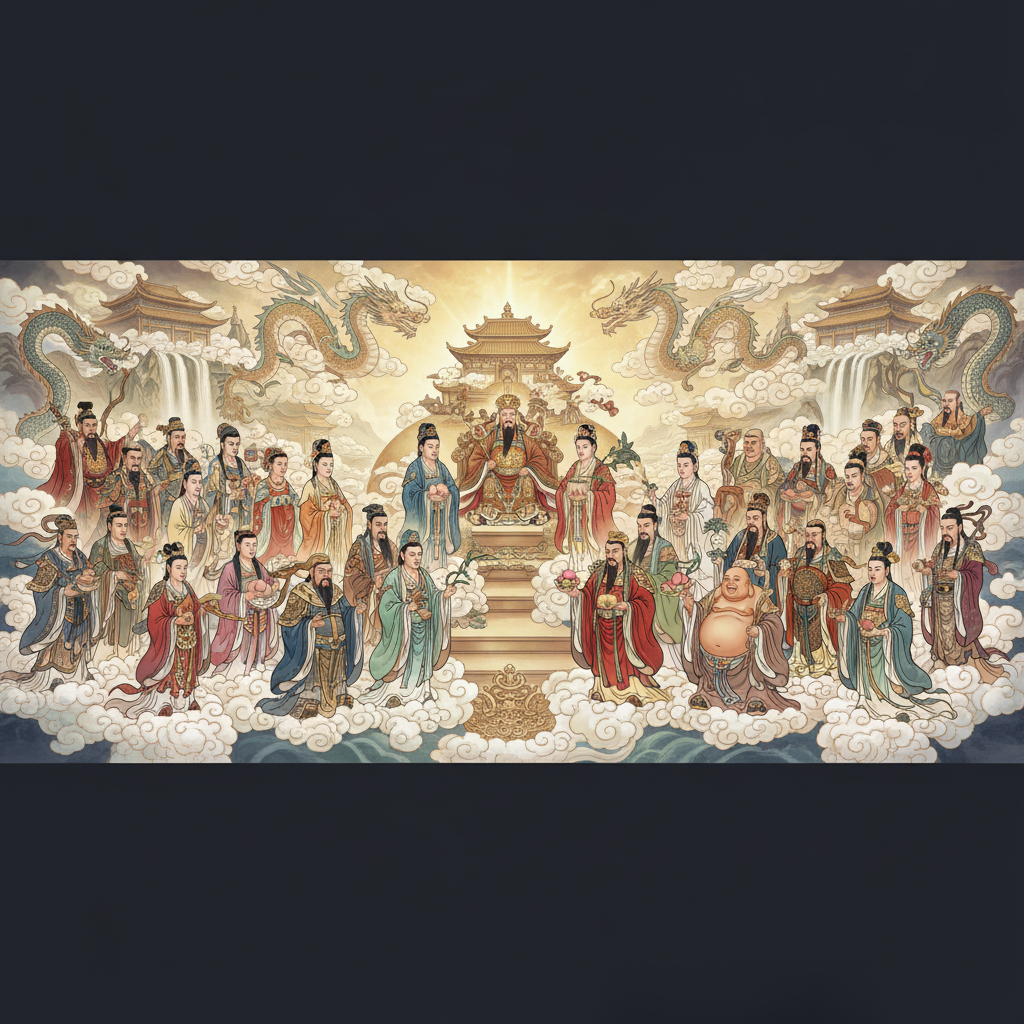
A Glimpse into the Daoist and Buddhist Pantheon
The Chinese pantheon of deities and immortals is a vibrant tapestry woven from centuries of cultural evolution, mythological storytelling, and spiritual belief systems, primarily Daoism and Buddhism. This detailed exploration unveils not only the figures themselves but also their roles, historical contexts, and cultural significance. The reverence for these divine entities reflects broader societal values, aspirations, and the quest for harmony.
Historical Context: The Origin of Deities and Immortals
The roots of the Chinese pantheon can be traced back over two millennia. Daoism, which emerged in the 4th Century BCE, presents divinity in terms of natural forces, emphasizing concepts such as balance, the Dao (the Way), and immortality. Figures such as the Eight Immortals (Ba Xian) embody the Daoist ideal of transcending earthly existence. Conversely, Buddhism, which began influencing China around the 1st Century CE, introduced a different set of deities and bodhisattvas, such as Guanyin and Kṣitigarbha, integrating them into Chinese spirituality.
The syncretism of these belief systems allowed Chinese religion to adapt and evolve. The figures that populate the pantheon serve as messengers, protectors, and symbols of moral ideals. Understanding their origins helps to appreciate their impact on Chinese culture today.
Key Figures: Deities of the Daoist and Buddhist Traditions
Chinese mythology features a wide array of deities, each with distinct attributes and stories. For instance, the Jade Emperor (Yuhuang Dadi), often viewed as the supreme deity in Daoist belief, governs the cosmos and is responsible for the earthly order. His counterpart in Buddhism, Sakyamuni Buddha, symbolizes enlightenment and compassion, guiding followers toward spiritual awakening.
Among the Eight Immortals, figures like Li Tieguai, known for his herbal medicine and benevolent nature, serve to inspire hope and resilience in the face of adversity. These characters often embody human flaws and virtues, making them relatable to devotees.
Cultural Significance: Myths, Morals, and Rituals
The deities of Chinese mythology do not merely populate ancient texts; they hold profound cultural significances that permeate everyday life. Festivals, such as the Lantern Festival, often feature celebrations of deities. Rituals like praying to the Kitchen God (Zao Jun) before the Lunar New Year reinforce familial ties and communal harmony.
Moreover, many teachings centered around these deities offer moral lessons. The tales of Guanyin, the Goddess of Mercy, emphasize compassion, empathy, and the importance of altruism. Such narratives have woven themselves into the fabric of Chinese ethical perspectives, influencing social norms and community behaviors.
The Immortal Legacy of the Deities
Today, the reverence for Chinese deities and immortals continues to thrive, with temples dedicated to them across urban and rural landscapes. Practices such as paper offerings and incense burning form an integral part of the worship rituals. Furthermore, contemporary adaptations in popular culture, from films to literature, ensure the immortals remain significant figures, captivating new generations and fostering a sense of identity and continuity.
The portrayal of these deities in modern storytelling, such as in video games and animated films, solidifies their relevance and encourages engagement from diverse audiences. This merging of tradition and modernity reflects a dynamic cultural identity that honors the past while adapting to contemporary influences.
Conclusion: Embracing the Divine in Everyday Life
Chinese deities and immortals are more than mere figures from ancient myths; they embody the cultural and spiritual aspirations of the Chinese people. Their rich histories and moral lessons continue to resonate, offering guidance and reflection on contemporary ethical dilemmas. As we explore this intricate pantheon, we recognize how deeply woven these divine beings are into the fabric of Chinese culture, enriching the spiritual lives of millions, both in China and abroad.
In appreciating the legends of these deities, we gain insights into the values and philosophies that shape not only individual identities but also the societal landscape of China as a whole. The ongoing fascination with these figures underscores their enduring legacy and the universality of their teachings in humanity's quest for meaning.