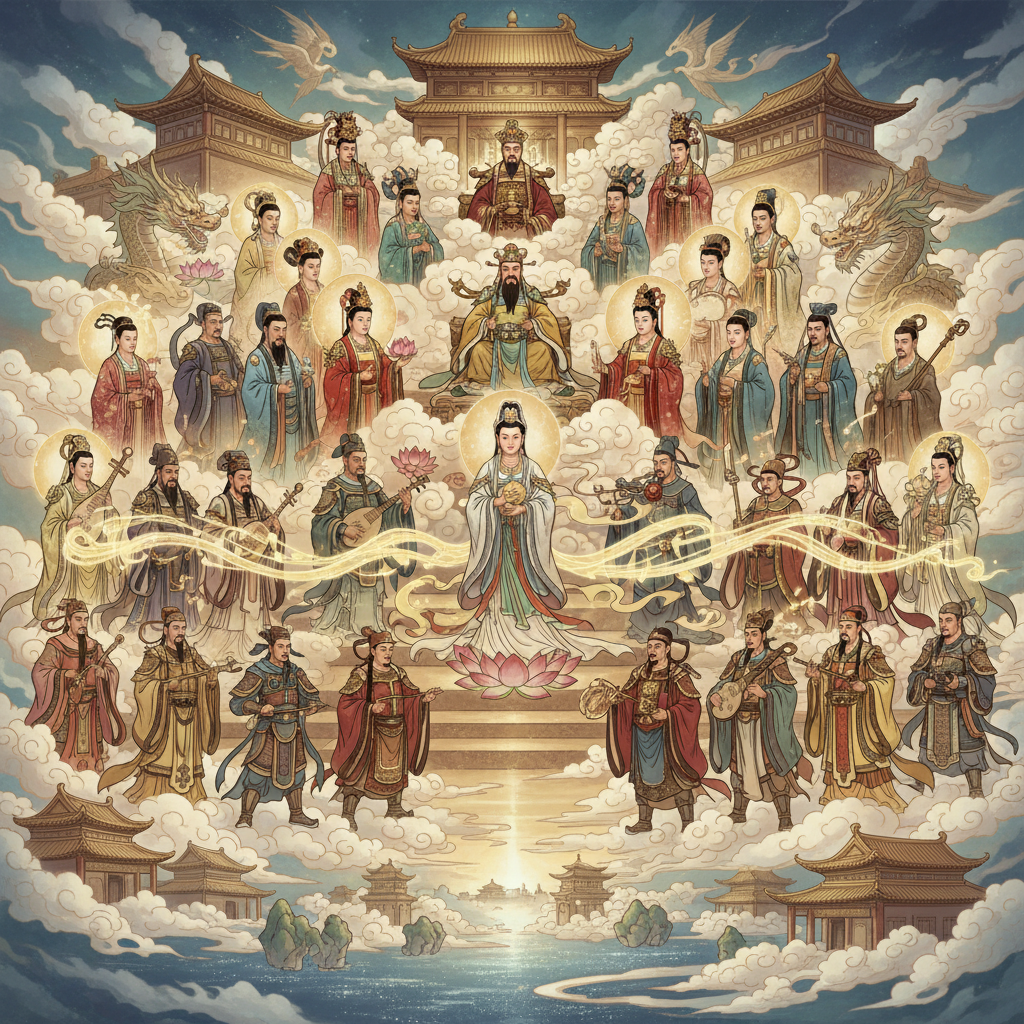
Introduction to Chinese Immortals and Deities
The spiritual landscape of China is rich with mythological figures, each embodying distinctive philosophies and values. The pantheon includes a diverse array of immortals, deities, and spirits from both Daoist and Buddhist traditions. These figures not only serve as objects of worship but also represent profound concepts that have shaped Chinese ethics, art, and society. Understanding these enchanting characters invites exploration into their origins, attributes, and cultural significance.
The Mythological Origins of Immortals
Chinese mythology presents a captivating narrative regarding the origin of immortals. In Daoist belief, immortality is attained through the cultivation of one's spirit, mind, and body. The Eight Immortals (Ba Xian) are among the most revered figures in this pantheon, each associated with specific virtues and powers. Collectively, they symbolize the fundamental ideals of Daoist thought, emphasizing balance, harmony, and spiritual resilience.
Historical records trace the origins of these figures back to the late Tang and early Song dynasties, where tales of their exploits were enriched over centuries through folklore and literature. Notably, the legend of Li Tieguai, the Iron Crutch Li, showcases the necessity of compassion and selflessness. His persona reflects the Daoist ideal of transcending worldly attachments for spiritual enlightenment.
Cultural Significance of Immortals and Deities
The reverence for immortals and deities transcends mere superstition; it embodies the quest for wisdom and longevity embedded in Chinese culture. These figures are often invoked in ceremonies aimed at ensuring prosperity, health, and protection against malevolent forces. Temples dedicated to various deities are scattered throughout China, serving as vibrant epicenters for community worship and festivals.
Immortals exemplify various aspects of virtue that are celebrated in society. For instance, Zhang Guolao, who is known for his ability to travel through time, symbolizes the embrace of change and the acceptance of life's impermanence—a theme deeply entrenched in Chinese philosophies. Such representations nurture a holistic view of life, fostering resilience in the face of adversity.
The Intersection of Daoism and Buddhism
While Daoist and Buddhist traditions offer different paths towards enlightenment, they often intersect in their veneration of deities and immortals. Buddhist influences permeate traditional Daoism—creating a syncretic belief system that enriches the spiritual landscape. Notably, figures like Guanyin (Avalokiteshvara) embody compassion and mercy, seamlessly integrating Buddhist ideals into the lore of Chinese immortals.
The consciousness of interconnectedness is mirrored in the tales of the Eight Immortals, who are frequently depicted working together harmoniously to achieve common goals. This motif serves as a narrative device to promote cooperation and reinforce the principle that individual pursuits should align with communal well-being.
Rituals and Celebrations Involving Immortals
The worship of immortals often involves elaborate rituals and community celebrations. Festivals like the “Birthday of the Eight Immortals” encourage communal participation, where members gather to honor these figures through offerings, prayers, and performances. Traditional operas, plays, and storytelling often illustrate the tales of these immortals, ensuring that their virtues and stories remain vibrant within the cultural consciousness.
Rituals may also include the creation of talismans—objects imbued with spiritual significance intended to protect and provide blessings. The importance of such practices underscores the deep-seated belief in the power of these deities to influence day-to-day existence, thus perpetuating a rich tapestry of tradition that spans generations.
The Lasting Influence of Chinese Immortals in Modern Culture
Chinese immortals and deities continue to be woven into the fabric of contemporary culture. Their depictions in films, literature, and visual arts serve not only as entertainment but as avenues to explore and promote traditional values. Stories about the immortals have been adapted into modern-day narratives, allowing younger generations to engage with their cultural heritage meaningfully.
Additionally, the fascination with immortality often finds its voice in contemporary discussions about spirituality, ethics, and lifestyle choices, reflecting an enduring quest for balance and enlightenment. As society evolves, the themes represented by Chinese immortals resonate with universal quests for meaning, connection, and transcendence.
Conclusion: A Journey Through the Divine
The exploration of Chinese immortals and deities reveals an intricate tapestry of beliefs that celebrate the human spirit’s resilience and quest for understanding. From the compassionate Guanyin to the transformative Eight Immortals, these figures offer timeless lessons that resonate across cultures and generations. Through the lens of myth, the philosophies of Daoism and Buddhism invite individuals to reflect on their paths toward enlightenment, enriching both personal and collective journeys. In doing so, the legacy of these divine beings continues to thrive, shaping the world of today while honoring the wisdom of the past.